
For many women, breast reconstruction after mastectomy is an important step in recovery. It helps restore the shape and appearance of the breast, improving body image and emotional well-being.
Reconstruction can be performed at the time of mastectomy (immediate) or months to years later (delayed). Advances in surgical techniques have minimized scarring and improved natural-looking results.
It’s important to discuss your options with your oncologist and surgical team to make an informed decision based on your health and treatment plan.
Eligibility Criteria for Breast Reconstruction
Timing and Decision Making
Mastectomy is usually not an emergency, so take time to research and consult specialists. Consider multiple opinions and focus on decisions that support both short- and long-term recovery.
Stage of Breast Cancer
Women with early-stage cancer (I or II) who don’t require radiation are often good candidates for immediate reconstruction.
Those needing post-mastectomy radiation (typically stage III or IV) are usually advised to delay reconstruction, as radiation can affect healing and outcomes. Delaying also prevents treatment delays.
General Health Condition
Women with chronic conditions like diabetes, heart disease, or bleeding disorders may not be ideal candidates. Smokers are advised to quit for several weeks before surgery, as smoking impairs healing.
Body Mass Index (BMI)
Patients with BMI > 40 are generally not recommended for reconstruction due to higher complication risks. A multidisciplinary team may review eligibility for delayed reconstruction after weight management.
Types of Breast Reconstruction
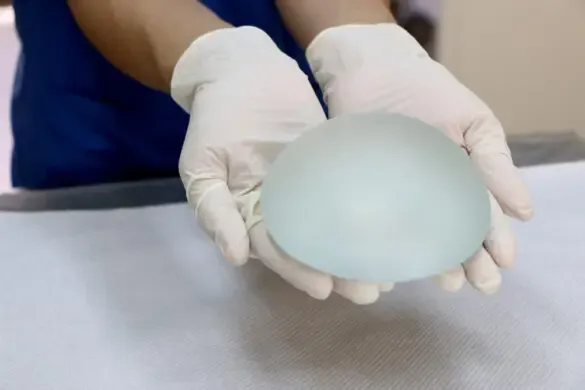
Breast Reconstruction Using Implants
Most mastectomies preserve skin (skin-sparing), allowing placement of implants beneath the skin or muscle.
Implants have a silicone shell and are filled with saline or silicone gel. Silicone gel implants feel more like natural breast tissue and are less likely to rupture.
Implants can be placed during or after mastectomy, sometimes in stages.
Breast Reconstruction Using Flaps
Also called autologous tissue reconstruction, this uses tissue from the abdomen, back, thighs, or buttocks to rebuild the breast.
Flaps provide a more natural look and feel. In some cases, implants and flaps are combined if there’s insufficient tissue.
Reconstruction of Nipple and Areola
This is the final stage, performed 3–4 months after breast reconstruction.
- Nipple: Created using tissue from the reconstructed breast.
- Areola: Added later using medical tattooing or skin grafts.
- 3D tattooing: Some women opt for a realistic 3D nipple tattoo without surgical reconstruction.
Questions to Ask Your Doctor Before Deciding on Breast Reconstruction
- Am I a good candidate for reconstruction?
- What are the risks and complications?
- What are realistic expectations?
- What are my reconstruction options?
- How long is recovery?
- Will I be able to function comfortably?
- Which type is best for me?
- Can I see before-and-after photos?
- What is the average cost?
- How will my breasts feel after?
- Immediate vs. delayed—what’s right for me?
- How will reconstruction change over time?
- Will it interfere with radiation or chemo?
- What are nipple reconstruction options?
- Do I need special care for the reconstructed breast?