
Thyroid Cancer Surgery: FAQs Answered by A Surgical Oncologist
Onco team, Surgical Oncologist, explains everything you need to know about thyroid cancer treatment and surgical procedures.
Our Surgical Oncology team at Onco Cancer Centres explains everything you need to know about thyroid cancer, its treatment options, and surgical procedures.
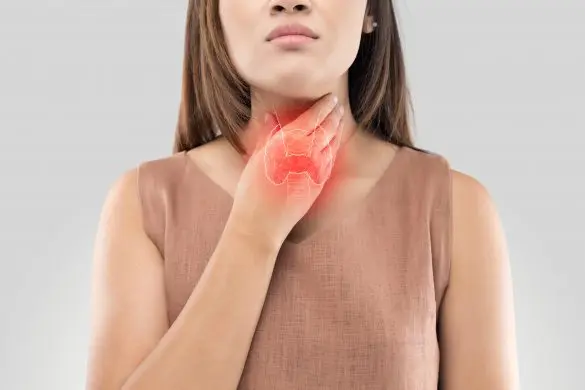
The thyroid is a small, butterfly-shaped gland located in the front of the neck. It produces the thyroxine hormone, which helps regulate key body functions such as metabolism, heart rate, and body temperature. Thyroid cancer is an uncommon form of cancer that develops from the thyroid’s hormone-producing cells. With the increasing availability of diagnostic tests, more thyroid cancers are now detected incidentally—often during imaging done for unrelated issues. However, the management of these small, incidentally detected cancers requires careful consideration, as treatment benefits must always be balanced against potential risks.
The benefit of treatment should be balanced with the risks associated.
Despite several advances, Surgery remains the cornerstone of thyroid cancer treatment. Due to the thyroid’s close proximity to critical neck structures—like the voice nerves and parathyroid glands—thyroid surgery demands precision and expertise.
Advances in our understanding of thyroid cancers, newer technology and surgical procedures have made surgery for thyroid a safer and a less morbid procedure in experienced hands.
Do all patients require complete removal of the thyroid gland?
Not always.
For smaller, localized tumours (less than 4 cm and confined within the gland), a partial removal—called a lobectomy— may be sufficient. This approach preserves part of the gland and reduces the need for lifelong hormone replacement. The treating oncologist will decide on the best option based on tumour size, spread, and patient profile. The feasibility of this limited procedure can be assessed by an oncologist.
However, in more aggressive cancers such as medullary thyroid carcinoma, total thyroidectomy (removal of the entire gland) may be necessary. For select patients at high surgical risk or with small benign nodules, minimally invasive options like Radiofrequency Ablation (RFA) can be considered as alternatives.
How can the risk of thyroid surgery be minimized?
Owing to its location in the neck and in vicinity to critical structures, thyroid surgery poses risk of change in voice due to nerve injury and imbalance in calcium due to injury to parathyroid glands in the neck.
Meticulous surgery by experienced hands and use of nerve monitoring technology to identify and preserve these nerves reduces the risk of voice damage. Accidental removal of parathyroid may cause imbalance in calcium levels that may need prolonged care. Meticulous surgery is the only way of preventing this complication of thyroid surgery.
How can we reduce the risk of the tumour coming back?
A well performed surgery based on the tumour factors is the key step. Effective after treatments are now currently available to reduce the risk of tumour coming back.
Radioactive Iodine therapy (RAI) is one such modality and is effective in killing any residual tumour cells that might have already spread to other organs. This modality is useful for papillary and follicular cancer types. This therapy can be given in multiple sessions when required.
Is there any role for genetic testing in thyroid cancers?
Sometimes, it may be difficult to decipher the exact nature of the thyroid nodule through routine microscopic examination. In such scenarios, we may employ a '7 gene signature test' to decode the true biology of the nodule in question and then plan appropriate treatment.
Genetic testing also helps identify some familial syndromes (like MEN syndromes, Cowden's etc) that can increase the risk of cancer running in families.
Is there an effective treatment for advanced disease?
Advanced thyroid cancers can be effectively treated and cured when promptly treated with surgery and RAI therapy. In cases where patients are treated with maximum doses of RAI or disease is refractory to RAI therapy, newer oral targeted medicines are currently available. These medicines effectively control the disease, relieve the symptoms and improve the quality of life of these patients.