
A 20-minute walk in nature, three times a week, can significantly reduce stress—according to a Harvard Medical School study that measured cortisol levels in saliva. The benefits were noticeable within eight weeks.
For cancer patients, spending time outdoors can improve memory, concentration, and overall quality of life. While the pandemic has limited access to public parks or long drives, there are still safe ways to enjoy nature.
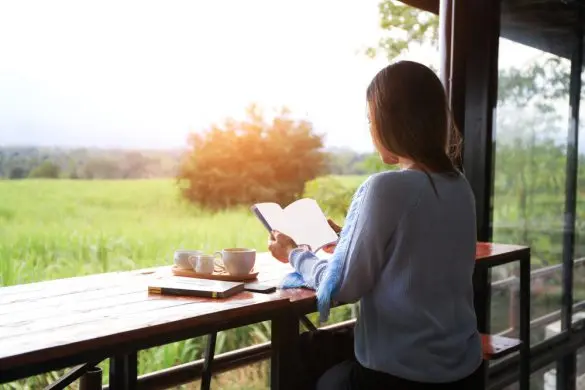
Even a small balcony, terrace, or large window can provide sunlight and fresh air. Watching a sunrise, practicing yoga outdoors, or simply sitting near greenery can have positive effects. If you have access to a safe garden or green space, take advantage of it.
Choose Your Own Pace
Your time in nature should be peaceful. Avoid setting step goals or walking fast. Move at a pace that helps you feel calm and present.
Use Your Ears
Listen to the sounds of nature—birds chirping, wind rustling, rain falling. Closing your eyes can deepen the experience and soothe your mind.
Breathing
Breathe deeply and naturally. Filling your lungs with fresh air can reduce anxiety and promote relaxation.
Be Aware
Focus on the present moment. Observe plants, clouds, or soil without judgment. When your mind wanders to worries, gently bring it back to what’s in front of you.
Experience Through Touch
Engage your sense of touch to feel connected:
- Walk barefoot on grass or sand (if safe)
- Feel the texture of leaves and petals
- Hold a smooth pebble
- Let cool water run through your fingers
- Rest your back against a tree trunk
More Ways to Enjoy Nature
Petting
Interacting with animals like dogs, rabbits, or kittens can reduce stress. Visit animal-assisted therapy centers such as Wag-ville (Bangalore), Animal Angels Foundation (Mumbai), or Fur-ball Story (Delhi). Local farms with horses or lambs are also great options.
Natural Crafts
Create crafts using clay, leaves, or wood. Doing so outdoors enhances the connection with nature and provides therapeutic benefits.
Horticulture
Gardening, especially growing food, is deeply rewarding. Some communities have shared gardens where volunteers grow and share produce—offering both physical activity and social connection.
Dark Nature
For those sensitive to sunlight due to treatment, nighttime activities like stargazing, night walks, or camping offer peaceful alternatives.
Nature Arts
Sketching or photographing nature can be meditative and inspiring, encouraging you to spend more time outdoors.
Making Time for Nature
To get the most benefit, minimize distractions. Turn off smartphones and electronic devices. Limit sessions to 20–50 minutes for optimal stress relief.
Even 20 minutes a day in nature can improve blood pressure, muscle relaxation, and immunity. If you’re undergoing or recovering from treatment, make nature a daily habit—it’s a simple yet powerful step toward healing.