
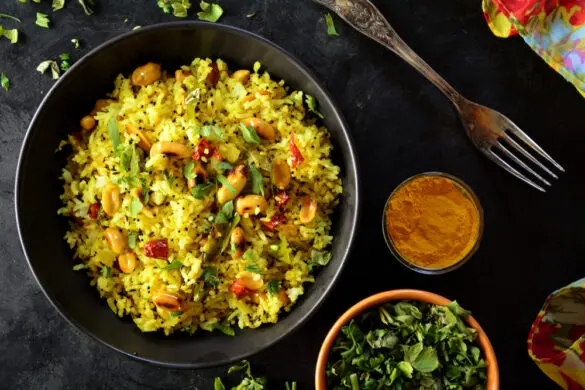
Cancer nutrition is gaining increasing attention as a vital part of treatment and recovery. Research shows that a well-balanced diet can significantly influence treatment outcomes, reduce side effects, and improve quality of life.
You don’t need to overhaul your diet completely during treatment. In fact, sticking to familiar foods can make it easier to eat and digest, especially when dealing with side effects like nausea, fatigue, or mouth ulcers.
That’s why Onco.com offers free, region-specific diet plans—like this Maharashtrian meal plan—to help patients eat nutritiously without leaving behind their culinary roots.
How Will a Cancer Diet Help Me?
Cancer treatment is physically demanding. A proper diet supports your body through this journey by:
- Providing essential calories and nutrients to sustain energy.
- Reducing treatment side effects like fatigue, nausea, vomiting, constipation, and diarrhea.
- Helping maintain a healthy weight—preventing excessive loss or gain.
Overall, good nutrition ensures you can continue treatment with fewer interruptions and recover faster.
Do I Need a Customised Diet Plan?
For optimal results, a personalized diet plan is recommended. It considers your cancer type, stage, age, weight, comorbidities (like diabetes or hypertension), allergies, and food preferences.
While our blog offers general plans—like the Bengali, South Indian, or North Indian meal plans—they are designed for the average person. For a tailored approach, consult our senior nutritionists. Learn more about Onco’s nutrition services.
Maharashtrian Cancer Meal Plan
The Maharashtrian diet is naturally rich in proteins and complex carbohydrates, making it ideal for cancer patients.
- Proteins: Dals, beans, paneer, curd, milk.
- Carbohydrates: Whole grains like jowar, bajra, rice, and wheat.
Key tips:
- Avoid deep-fried foods—they reduce nutritional value and are hard to digest.
- Use healthy oils. Read more about the best oils for Indian cooking.
- Reduce spice levels if you have mouth ulcers or digestive sensitivity.
- Opt for room-temperature foods—they are easier to consume and less likely to trigger nausea.
A downloadable version of this meal plan with recipes is available: Maharashtrian Meal Plan PDF.
How Can I Add Non-Vegetarian Dishes to This Meal Plan?
Lean non-vegetarian foods are excellent protein sources that aid recovery after surgery or chemotherapy.
- Eggs, chicken, and fish are rich in high-quality protein.
- Fatty fish (like sardines, mackerel) contain omega-3 fatty acids, which support immunity and reduce inflammation.
Cooking tips:
- Avoid deep frying—opt for grilling, steaming, or boiling.
- Keep spices mild to moderate to prevent irritation.
How Can I Improve My Appetite During Cancer?
Loss of appetite is common. Try these strategies:
- Eat 5–6 small meals instead of 3 large ones.
- Wait 2 hours between meals for proper digestion.
- Stay physically active—light movement stimulates hunger.
- Drink soups, smoothies, or fruit juices when solid food is unappealing.