
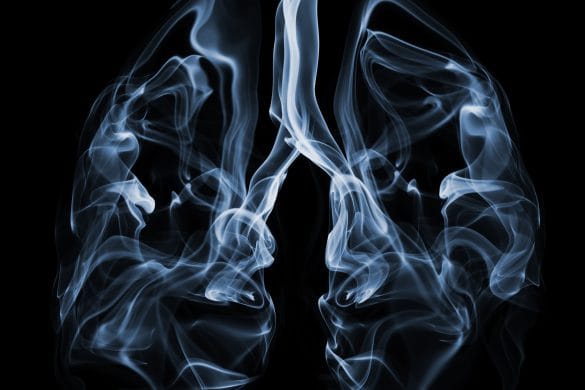
Every one in five cancer-related deaths worldwide is due to lung cancer, and smoking is the primary cause. On World Lung Cancer Day, it's vital to understand the dangers of tobacco and the profound benefits of quitting. While many start smoking in youth due to peer pressure or family influence, what begins as a habit often becomes a life-threatening addiction.
The Perils of Smoking
Smoking damages the body both visibly and internally:
- Yellow stains on teeth and nails
- Premature aging due to reduced blood flow and dry skin
- Increased risk of numerous cancers: lung, cervix, head and neck, stomach, kidney, bladder, pancreas, and bone marrow
- Respiratory diseases: asthma, pneumonia, emphysema, bronchitis, COPD
- Cardiovascular issues: heart disease, high cholesterol
- Reproductive health: infertility, erectile dysfunction, early menopause
In India, tobacco-related cancers account for 50% of all cancers in men, making tobacco the most preventable cause of cancer. Smokers are three times more likely to die prematurely than non-smokers.
Secondhand Smoke and Financial Cost
Smoking doesn’t just harm the smoker. Secondhand smoke increases non-smokers’ lung cancer risk by 20–30% and can lead to SIDS in infants. Financially, smoking five cigarettes a day could cost over ₹1 crore by retirement.
What Happens When You Quit?
Your body begins healing immediately:
- 20 minutes: Heart rate and blood pressure drop.
- 12 hours: Carbon monoxide levels normalize.
- 12 weeks: Lung function improves.
- 1 year: Risk of heart disease halves.
- 5 years: Stroke risk decreases.
- 10 years: Lung cancer risk is halved.
Quitting improves both lifespan and quality of life.
Tips to Quit Smoking
1. Write Down Your Reason for Quitting
Clarify your motivation—health, family, finances—and keep it visible for encouragement.
2. Identify Triggers
Recognize situations (e.g., stress, after meals) that prompt smoking and plan alternatives.
3. Set a Date to Quit and Start Preparing
Choose a quit date and remove all tobacco products, lighters, and ashtrays from your environment.
4. Let Everyone Know
Inform family and friends so they can support you. Let them know withdrawal may cause irritability.
5. Get Help from Your Doctor
Ask about nicotine replacement therapy (patches, gum) or medications to ease withdrawal.
6. Find a Distraction
Adopt a new hobby or activity to keep your mind and hands busy during cravings.
7. Reward Yourself
Celebrate milestones with treats, clothes, or experiences to reinforce progress.
If you relapse, don’t give up. Each attempt brings you closer to success. Tobacco cessation clinics, rehab centers, and support groups can help. Talking to cancer survivors or calling India’s toll-free helpline at 1800-11-2356 (available in Hindi, Kannada, Telugu, Tamil, Malayalam) can provide vital support.