
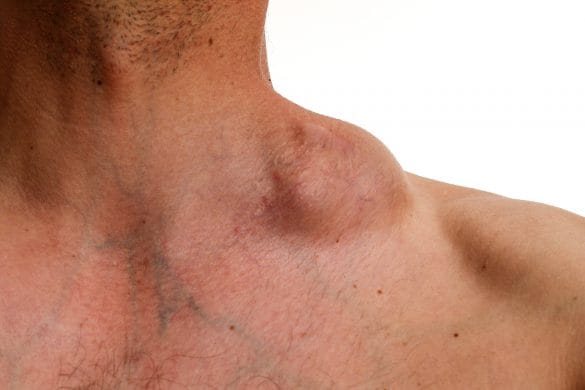
Hodgkin’s lymphoma is a type of cancer that originates in the lymphatic system, part of the body’s immune defense. It typically appears as soft, painless swellings in the neck, chest, or armpits. While often diagnosed in young adults, it can affect people of various ages.
Understanding the Lymphatic System
The lymphatic system consists of vessels, nodes, and organs that transport lymph—a fluid rich in infection-fighting white blood cells called lymphocytes. B-lymphocytes are the primary cells involved in Hodgkin’s lymphoma. When these cells multiply abnormally, they accumulate in lymph nodes, causing swelling.
Types of Hodgkin’s Lymphoma
There are two main types:
Classic Hodgkin’s Lymphoma
Accounts for over 90% of cases. Diagnosed by the presence of Reed-Sternberg cells in lymph node biopsies. More common in developed countries.
Nodular Lymphocyte-Predominant Hodgkin’s Lymphoma
Rare (about 5% of cases), grows slowly, and features large “popcorn cells.” More common in males and often diagnosed in the 4th–5th decades of life.
Symptoms of Hodgkin’s Lymphoma
Common signs include:
- Painless lumps in the neck, armpits, or groin
- Fever (≥100.4°F), night sweats, weight loss (>10% body weight)—known as B symptoms
- Severe fatigue
- Persistent itching
- Pain in lymph nodes after alcohol consumption
These symptoms can mimic infections, so proper diagnosis is essential.
What Causes Hodgkin’s Lymphoma?
The exact cause is unknown, but risk factors include:
- Age: Bimodal distribution—peaks in ages 15–30 and over 55
- Family history of lymphoma
- Epstein-Barr virus infection (e.g., mononucleosis)
- Weakened immune system
- Male gender
- Being overweight
- Smoking
How Is Hodgkin’s Lymphoma Diagnosed?
Diagnosis involves:
- Physical exam: Checking for swollen lymph nodes, spleen, or liver.
- Medical history: Reviewing symptoms like fever, weight loss, and alcohol-induced pain.
- Blood tests: CBC to check blood counts; ESR to measure inflammation.
- Imaging: CT or PET scans to stage the cancer.
- Biopsy: Lymph node tissue examined for Reed-Sternberg cells (classic HL).
- Bone marrow biopsy: To check for spread to marrow.
Stages of Hodgkin’s Lymphoma
Staging (Lugano Classification) determines treatment:
- Stage I: One lymph node area or one organ (IE).
- Stage II: Two or more areas on the same side of diaphragm (IIE if spread to nearby organ).
- Stage III: Lymph nodes on both sides of diaphragm or involving spleen.
- Stage IV: Spread to distant organs (liver, lungs, bones).
Stages are labeled A (no B symptoms) or B (with B symptoms). "E" indicates spread to an organ. "X" denotes bulky disease (tumor ≥10 cm or >1/3 chest width), requiring more intensive treatment.
Treatment and Prognosis
Treatment depends on type, stage, age, and overall health.
Chemotherapy
Main treatment for classic HL. Common regimens:
- ABVD: Doxorubicin, Bleomycin, Vinblastine, Dacarbazine
- BEACOPP or Stanford V for advanced cases
Radiation Therapy
Used for early-stage disease or after chemo. Involved-site radiation (ISRT) targets affected areas with minimal side effects.
Immunotherapy
For relapsed or refractory cases:
- Monoclonal antibodies: Brentuximab vedotin, Rituximab
- Checkpoint inhibitors: Nivolumab, Pembrolizumab
Hematopoietic Stem Cell Transplantation (HSCT)
Used if cancer doesn’t respond or recurs after initial treatment.
Follow-Up Care
Regular monitoring is essential to detect recurrence. Early-stage Hodgkin’s lymphoma has a 5-year survival rate of about 92%, dropping to 78% in later stages. It is highly treatable, especially when caught early.