
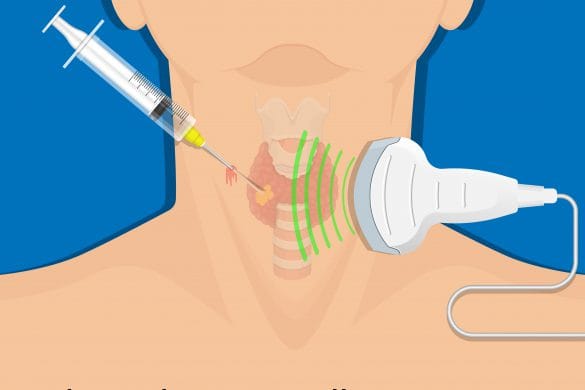
Many people discover a lump in their neck and worry it might be cancer. Often, this lump is a thyroid nodule — an abnormal growth of thyroid cells within the thyroid gland.
The thyroid is a butterfly-shaped gland located at the base of the neck, just below the Adam’s apple. It produces hormones that regulate metabolism, heart rate, body temperature, and energy levels.
What Are Thyroid Nodules?
Thyroid nodules are solid or fluid-filled lumps that form within the thyroid gland. Most are small, noncancerous (benign), and don’t cause symptoms.
They become more common with age — up to half of adults may have them by age 60, often discovered incidentally during imaging for other conditions.
How Are They Detected?
- Felt during routine physical exams
- Noticed by the person as a visible or palpable bump in the neck
- Found on imaging tests like ultrasound, CT scan, or MRI done for unrelated reasons
What Causes Thyroid Nodules?
- Colloid nodules: Overgrowth of normal thyroid tissue (noncancerous)
- Cysts: Fluid-filled sacs, often mixed with solid components
- Inflammation (Thyroiditis): Can cause painful swelling and temporary hyper/hypothyroidism
- Goiter: Enlargement of the entire gland due to iodine deficiency or autoimmune disease
- Adenomas: Benign tumors producing excess hormone
- Thyroid cancer: Only about 5–10% of nodules are malignant
Do They Cause Symptoms?
Most do not. When present, symptoms include:
- Visible swelling in the neck
- Feeling of fullness or pressure
- Difficulty swallowing or breathing (if large)
- Hoarseness (if pressing on vocal cords)
- Symptoms of hyperthyroidism (weight loss, rapid heartbeat, anxiety) or hypothyroidism (fatigue, weight gain, cold intolerance)
How Is a Thyroid Nodule Diagnosed?
Blood Tests
Measure TSH, T3, T4 to assess thyroid function. Abnormal levels may indicate overactive or underactive thyroid.
Ultrasound
Main imaging tool to evaluate size, shape, composition (solid vs. cystic), and suspicious features like microcalcifications or irregular borders.
Fine Needle Aspiration Biopsy (FNA)
A thin needle removes cells from the nodule for microscopic analysis. Helps distinguish benign from cancerous nodules.
Radioiodine Scan
Determines if a nodule is “hot” (produces excess hormone) or “cold” (non-functioning). Cold nodules have a slightly higher risk of cancer.
How Are They Treated?
- Observation: For small, benign-appearing nodules — regular ultrasounds monitor growth.
- Hormone suppression: Rarely used; levothyroxine may shrink some nodules.
- Radiofrequency ablation (RFA): Minimally invasive option to shrink symptomatic benign nodules.
- Surgery: Recommended for cancerous nodules, large nodules causing compression, or those with suspicious features.
When Should You Worry?
See your doctor if you notice:
- A new or growing neck lump
- Hoarseness lasting more than a few weeks
- Difficulty swallowing or breathing
- Family history of thyroid cancer
- Prior radiation exposure to the head or neck
Thyroid nodules, depending on their underlying cause, can be harmless or harmful. Therefore, timely medical attention is crucial. When diagnosed early, most thyroid nodules can be effectively evaluated and managed.