
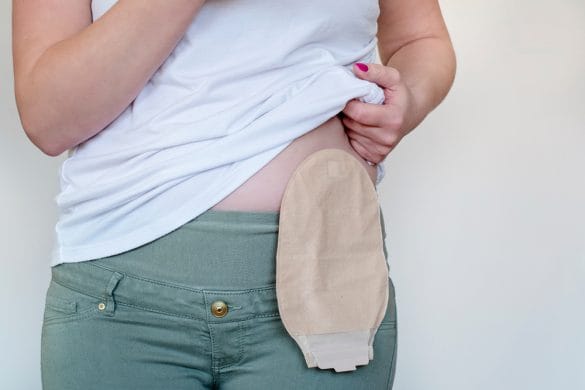
A colostomy or ileostomy is a surgical procedure that creates an opening in the abdomen—called a stoma—to allow waste to exit the body when the normal digestive pathway is blocked or removed. This is often necessary for cancer patients, especially those with colorectal cancers. While adjusting to life with a stoma can be challenging, proper care and understanding can greatly improve comfort and quality of life.
What is a Stoma?
A colostomy or ileostomy is an opening created in the colon (large intestine) or ileum (part of the small intestine) on the abdominal wall. The opening, known as a stoma, is formed by pulling the intestinal end to the skin surface and stitching it in place. It diverts stool from the usual path and allows it to be collected in a stoma bag. The stoma itself has no pain sensation, though the surrounding area may be tender initially after surgery. Waste is collected in an ostomy pouch and emptied or changed by the patient regularly.
Why Are Stomas Made?
Stomas are created to divert the passage of feces from the normal route. They can be temporary or permanent:
- Temporary stomas: Used to relieve bowel obstruction (e.g., due to colon or rectal cancer), or to allow surgical sites to heal by diverting stool away from the area.
- Permanent stomas: Required when normal bowel continuity cannot be restored—such as after an abdominoperineal resection for rectal cancer, chronic obstruction, or loss of sphincter control leading to incontinence.
What Are the Different Pouch Systems Available?
Ostomy pouch systems come in two main types:
One-Piece System
This consists of a skin barrier (wafer) and pouch attached as a single unit. The entire system must be replaced each time, including the skin barrier. While simpler to use, frequent changes may cause skin irritation and increase long-term costs due to repeated use of adhesives and pastes.
Two-Piece System
This includes a separate skin barrier (flange or wafer) that adheres to the skin and a detachable pouch. The wafer stays in place for several days, while the pouch can be removed and replaced as needed. Though slightly more rigid and prone to leaks, it reduces skin irritation and may be more cost-effective over time.
Ostomy bags can also be:
- Drainable: Can be emptied and reused.
- Closed: Disposable; thrown away once full.
Some bags include filters to reduce odor and gas buildup.
How Often Will Stool Pass Through? Can It Be Controlled?
Stool typically passes 3–6 times a day through a colostomy, and more frequently with an ileostomy. You may not feel the output, and gas release can be unpredictable. Initially, the output is more liquid but gradually thickens as your body adapts. Unlike normal bowel movements, you cannot control the timing or frequency of output from a stoma.
When and How to Empty the Stoma Bag?
You will usually be trained before discharge on how to manage your pouch. No sterile equipment is needed. Follow these steps:
- Empty the pouch when it is 1/3 to 1/2 full to prevent bulging or leakage.
- Position yourself comfortably over a toilet or bowl.
- Hold the top of the pouch and open the clip at the bottom.
- Unroll the tail and empty slowly to avoid splashing.
- Clean the inside of the tail and release any trapped gas.
- Roll up the tail, reseal with the clip, and wash your hands.
Will the Stoma Release Odour? How Can It Be Controlled?
Some odor is normal and influenced by diet, gut bacteria, medications, and illness. To minimize odor:
- Avoid strong-smelling foods like eggs, cabbage, onions, garlic, fish, dairy, and coffee.
- Use odor-resistant pouches with built-in filters.
- Ensure the skin barrier is securely sealed.
- Empty the pouch regularly.
- Add deodorants (liquids or tablets) to the pouch.
- Consider medications like bismuth subgallate, chlorophyll, or bismuth subcarbonate.
- Use air fresheners in the room during emptying.
How Frequently Should the Pouch Be Changed?
A well-fitted pouch typically lasts 7–10 days. It's best to change it on a regular schedule rather than waiting for a leak. Ideal times are early in the morning or 2–3 hours after a meal, when bowel activity is lower.
How to Ensure a Proper Fit?
Proper fit starts with a well-placed stoma—ideally away from skin folds and bony areas. The pouch should fit snugly around the stoma with a 2–3 mm gap to prevent skin contact with output. Use barrier creams or colopaste to enhance adhesion. Empty the pouch regularly to prevent leakage and maintain skin health.
What Problems Can Arise? When to Consult a Doctor?
Complications may include:
- Hernia, prolapse, or swelling (edema): Can make pouch placement difficult.
- Bleeding: Minor bleeding may occur from irritation; consult a doctor if persistent or heavy.
- Reduced or stopped output: Could indicate blockage or serious underlying issue.
- Skin irritation or infection: Common with ileostomies due to digestive enzymes. Requires proper barrier use and pouch adjustment.
Contact your doctor if you notice persistent issues or signs of infection.
How to Manage at a Social Gathering?
With preparation, you can confidently attend social events:
- Empty the pouch before leaving.
- Wear well-fitted clothing that conceals the pouch.
- Use odor-absorbing products and follow dietary advice.
- Carry a spare pouch and supplies in case of leaks.
- Consider stoma irrigation (for colostomy) to regulate output timing.
With proper planning, you can enjoy social activities without worry.