
Understanding Spinal Tumours
Learn about the types, symptoms, diagnosis, and treatment of spinal tumours. Early recognition and prompt treatment can significantly improve patient outcomes.
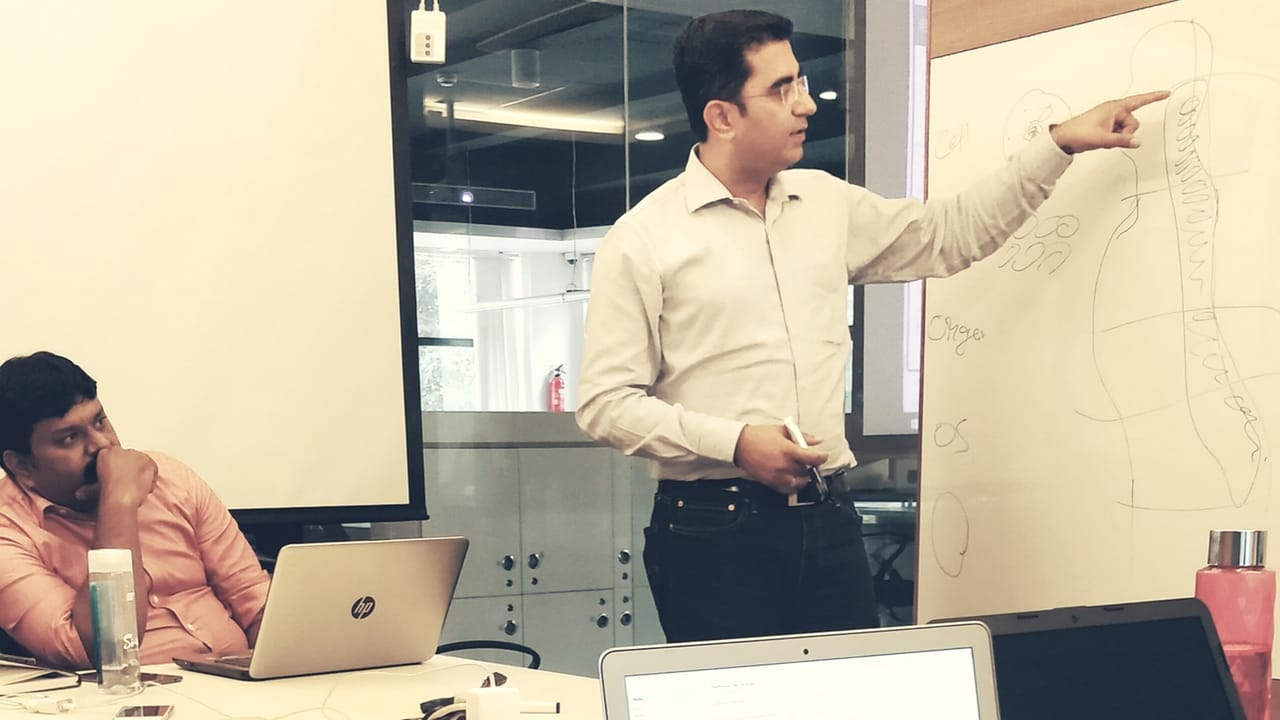
In this article, we explore tumours that originate in the spinal region, with insights from that session.
What Are Spinal Tumours?
Spinal tumours are relatively rare but serious conditions that can affect both the spinal cord and the surrounding structures. Understanding the different types, symptoms, and treatment options is essential for early detection and better prognosis.
Benign Spinal Tumours
Benign spinal tumours do not spread to other parts of the body, but they can still cause significant symptoms due to pressure on nerves, blood vessels, or the spinal cord. Fortunately, many benign spinal tumours can be treated successfully, especially when detected early.
Common examples include meningiomas and schwannomas.
Malignant Spinal Tumours
Malignant tumours are cancerous and can invade surrounding tissues or spread to distant organs. These tumours are often more difficult to treat and may require multimodal therapy, combining surgery, radiation, and chemotherapy.
Symptoms Arising From Spinal Tumours
Like many serious cancers, spinal tumours often do not show symptoms early. If the following persist despite treatment, screening should be considered:
Back pain that worsens despite treatment
Constant fatigue
Recurring pain with unexplained weight loss
Numbness or weakness extending to the legs
Loss of bowel movement coordination
Loss of bladder control
These symptoms may not always indicate cancer, but early medical evaluation can help identify the cause before it progresses.
Types Of Spinal Tumors
There are three main types:
Intradural Extramedullary Tumors: Grow inside the spinal canal but outside the spinal cord and nerves. Examples: Meningioma, Schwannoma.
Intramedullary Tumours: Grow inside the spinal cord and are more dangerous due to nerve proximity. Examples: Astrocytoma, Ependymoma, Hemangioblastoma.
Epidural Tumours: Grow between the vertebrae and the dural sac surrounding the spinal cord.
Diagnosis For Malignant Spinal Tumours
Diagnosis typically begins with MRI or CT scans, which help visualize the location and nature of the tumour. To confirm whether the tumour is malignant, a biopsy is performed — a small tissue sample is taken using a needle or during surgery and examined under a microscope. Additional imaging, such as PET scans or bone scans, may be used to determine if the tumour has spread.
Treatment For Spinal Tumours
The standard treatment is surgical removal followed by chemotherapy or radiotherapy. A surgical oncologist removes as much of the tumour as possible without causing neurological damage—a challenging task due to the spine’s connection to the central nervous system.
Minimally invasive techniques like METRx Tumour Removal are gaining popularity. The goals of surgery are to relieve pain, preserve neurological function, and stabilize the spine.
Post-surgery, patients avoid heavy lifting and are often fitted with a back brace. After 2–3 weeks, they typically undergo 15–20 minutes of daily radiotherapy for up to six weeks to eliminate residual cancer cells.
After surgery, patients may need to avoid heavy lifting, wear a supportive back brace, and undergo physiotherapy to regain strength and flexibility. Once imaging confirms remission, pain management and rehabilitation therapies such as physiotherapy or chiropractic care may be recommended to restore mobility.
While spinal tumours can be challenging to treat, advances in neurosurgery and oncology have significantly improved survival and recovery outcomes.
With early diagnosis, personalized care, and rehabilitation, many patients are able to return to normal, active lives.