
Understanding Metastatic Breast Cancer
Learn about metastatic breast cancer (Stage 4), how it spreads, its symptoms, and treatment options. Discover that it's treatable and manageable.
People perceive cancer differently — for some, it’s a challenge to overcome; for others, it feels like an unexpected detour in life. When we use the word cancer, it usually refers to a malignant condition — one that has the potential to grow and spread to other parts of the body. When cancer spreads from its original site to distant organs, it is known as metastatic cancer.
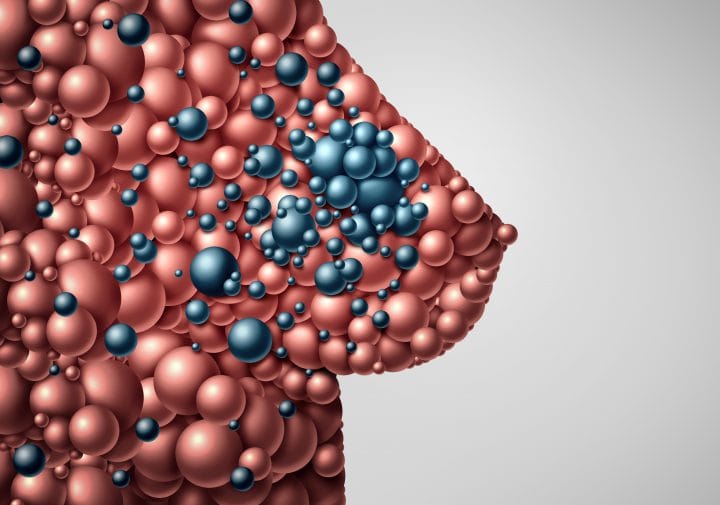
Metastatic breast cancer (Stage 4) occurs when cancer cells from the original tumour in the breast break away and travel through the bloodstream or lymphatic system to other parts of the body.
According to recent global estimates, about 30% of women previously diagnosed with early-stage breast cancer may develop metastatic disease later in life.
In some women, breast cancer is only detected after it has already spread — this is called de novo metastatic breast cancer.
Being told that breast cancer has metastasized can be overwhelming — especially if it was once thought to be cured. Feelings of anxiety and fear are completely normal. However, it’s important to know that metastatic breast cancer is treatable and manageable. Many women live for years — even decades — with good quality of life when supported by the right treatment and care team.
Why and How Does Breast Cancer Metastasize?
Talking about metastatic cancers, one thing that tugs at the curiosity is why do cancers spread and become metastatic? Cancer is essentially a group of cells that grow uncontrollably in the organ of its origin. When these growing cells break-off, they immediately enter either the bloodstream or the lymphatic system and are transported to different parts of the body. When they find another organ or a lymph node, they begin to grow in these tissues and form tumours.
This essentially explains how metastatic cancers, including metastatic breast cancer, develop. For example, breast cancer cells can break-off and reach the lungs.
The Spread and Symptoms of Metastatic Cancer
The symptoms of metastatic cancer largely depend upon where cancer has metastasized to. Common organs that are affected by the metastasis of cancers are the lungs, brain, liver, and bones.
Common symptoms include:
Bone – Pain that is often progressive in nature with an increased risk of fracture
Brain – Excruciating headache that keeps getting worse, seizures, disturbances in vision, vomiting, changes in behavior and/or personality
Liver – Jaundice, high serum liver enzymes, loss of appetite
Lungs – Chest pain, shortness of breath, chronic cough, blood in sputum
All is Not Lost, Yet!
It is quite normal for people to panic or lose hope when they hear of cancer being metastatic. But, all is not yet lost! With the right treatments and attitude of the patient, metastatic cancers can be successfully managed. Some common yet effective treatment options for metastatic cancers include:
Chemotherapy
Hormone Therapy
Targeted therapy
Immunotherapy
Radiation Therapy
Thanks to advances in oncology, many women today live long and active lives while managing metastatic breast cancer. With personalized treatment, emotional support, and regular follow-up, it’s possible to live well — not just survive.
To learn more about metastatic breast cancer and explore treatment options, speak with your oncologist or visit a comprehensive cancer care centre near you.