
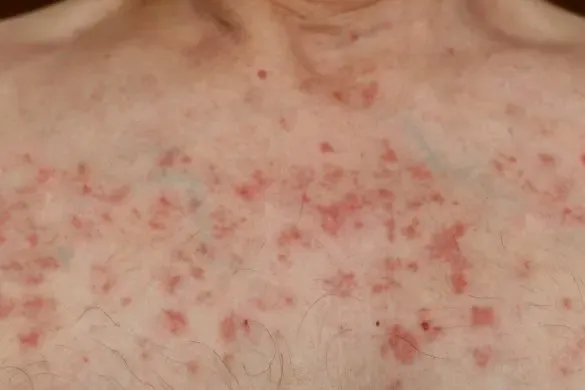
Skin changes are common during chemotherapy. Learn about rashes, dryness, hand-foot syndrome, and how to manage them effectively.
Skin changes are quite common among cancer patients undergoing chemotherapy. In most cases, the skin changes are not severe but can be noticeable and uncomfortable. These changes may remind patients of their cancer battle and affect their mental health.
Sometimes, these skin issues can impact treatment plans and reduce quality of life. The good news is that most skin changes are manageable and reversible after treatment ends.
Why Does Chemotherapy Affect the Skin?
Chemotherapy targets fast-dividing cancer cells. However, it can also affect other rapidly growing normal cells in the body — such as those in the skin, hair follicles, and digestive tract. This leads to side effects like skin rashes, hair loss, and gastrointestinal problems.
Which Chemo Drugs Cause Skin Changes?
Different chemotherapy agents cause different skin reactions. Common drugs associated with skin changes include:
- Taxanes (paclitaxel, docetaxel)
- Gemcitabine
- Oxaliplatin
- Bleomycin
- 5-Fluorouracil
- Cyclophosphamide
- Methotrexate
Skin Rashes
A common side effect, rashes may appear on the face, neck, chest, back, or scalp. They can be itchy, painful, or cause a burning sensation.
How to Manage Skin Rashes
- Use mild soaps, gentle cleansers, and fragrance-free moisturizers.
- Avoid hot water and extreme temperatures.
- Wear soft, loose-fitting clothing.
- Protect skin from sun exposure using broad-spectrum SPF 30+ sunscreen.
- Your doctor may prescribe steroid creams, antibiotics, or oral steroids for severe cases.
- In some cases, chemotherapy may be paused or dose reduced.
Extravasation and Desquamation
When chemotherapy leaks outside the vein (extravasation), it can damage surrounding tissue, causing pain, swelling, and even open wounds.
Immediate actions include:
- Stop infusion immediately
- Apply hot or cold compress based on drug type
- Administer antidotes if available
Prevention involves careful monitoring by healthcare providers during IV infusions.
Hand and Foot Syndrome
This condition causes redness, soreness, peeling, numbness, tingling, and sensitivity on palms and soles. It’s linked to drugs like capecitabine, doxorubicin, and paclitaxel.
How to Manage Hand and Foot Syndrome
- Avoid hot water; use cold compresses or place hands/feet under cool running water.
- Do not rub or massage the skin.
- Wear thick socks and soft slippers.
- Avoid activities involving pressure or friction (e.g., jogging, gardening).
- Use topical creams with urea, salicylic acid, or ammonium lactate.
- Ice packs during infusion may help prevent symptoms.
Dry and Itchy Skin
Common during treatment, dry skin can become flaky, cracked, or painful. Persistent scratching may lead to infection.
How to Manage Dry and Itchy Skin
- Use lukewarm water for bathing.
- Moisturize within 15 minutes of showering, twice daily.
- Choose emollients containing lactic acid, urea, or salicylic acid.
- Avoid fragranced products, harsh detergents, and alcohol-based lotions.
- Stay hydrated and keep rooms cool and well-ventilated.
- Use electric razors to avoid cuts.
Hyperpigmentation
Darkening of the skin may occur within 2–3 weeks of starting chemo and usually resolves 10–12 weeks after treatment ends.
Drugs linked to this include cyclophosphamide, 5-fluorouracil, methotrexate, and busulfan.
Photosensitivity
Some chemotherapy drugs (like 5-fluorouracil) increase sensitivity to sunlight, increasing risk of sunburn.
How to Manage Photosensitivity
- Limitsun exposure, especially between 10 AM and 4 PM.
- Wear protective clothing and wide-brimmed hats.
- Use broad-spectrum sunscreen (SPF 15+), reapplied every 2 hours or after sweating/swimming.
While many skin changes during chemotherapy are temporary and manageable, always consult your oncology team before trying new treatments or skincare routines.