
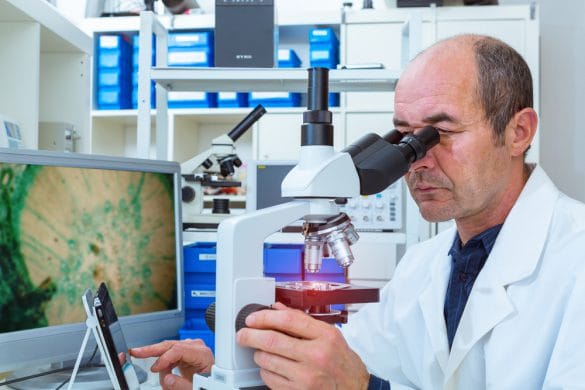
Biopsies are crucial diagnostic tools in cancer diagnosis and treatment. Most cancers are diagnosed, staged, and treated based on biopsy results. Despite their importance, many misconceptions prevent patients from undergoing this vital procedure.
It's essential to dispel these myths so patients can make informed decisions and receive timely care.
About Biopsy
A biopsy is a minor surgical procedure involving the removal of a sample of cells or tissue from the body. This sample is examined under a microscope to check for cancer or other conditions like infections or autoimmune disorders.
It is typically recommended when a physical exam, imaging test, or symptoms suggest a possible abnormality.
Types of biopsies include incisional, excisional, needle, scalpel, and liquid biopsies.
Myths and Facts About Biopsies
Myth: Biopsy is a Dangerous Operation
Fact: While all medical procedures carry some risk, biopsies are generally safe. Risks like bleeding, infection, or scarring are rare and usually minor. The benefits of an accurate diagnosis far outweigh the minimal risks involved.
Myth: Biopsy Causes Cancer to Spread
Fact: There is no strong scientific evidence that a biopsy causes cancer to spread. Rare case reports exist, but proper technique minimizes this risk. In fact, a Mayo Clinic study found that patients who underwent biopsies had better outcomes and longer survival than those who avoided them.
Myth: Biopsy Can Increase the Stage of Cancer
Fact: There is no conclusive evidence that a needle biopsy increases cancer stage. While tumor cells could theoretically spread during needle withdrawal, this is extremely rare and has negligible impact on treatment outcomes. Biopsies enable accurate staging and effective treatment planning.
Myth: Biopsy is Not Necessary for Cancer Treatment
Fact: Biopsy confirmation is required in over 90% of cancer cases before treatment begins. It helps determine the cancer type, stage, and molecular profile, which guides treatment decisions.
In metastatic cases, biopsies are used for molecular testing to identify targets for therapies like immunotherapy or targeted drugs. Liquid biopsies can also monitor treatment response and detect recurrence early.
Myth: Biopsy Always Needs Hospitalisation
Fact: Most biopsies are outpatient procedures performed under local anesthesia. Only those involving internal organs (like liver or kidney) under general anesthesia may require a short hospital stay for recovery.
Verbal and written misinformation spreads easily. The best way to combat myths is open communication with your healthcare team, who can provide evidence-based answers.
Healthcare providers should also promote patient education and counseling to ensure patients understand the value and safety of biopsies.