
How to Prepare for a PET Scan
Positron emission tomography (PET), also known as PET imaging or PET-CT, is an advanced form of nuclear medicine imaging that detects changes at the cellular level, enabling the diagnosis of diseases in their earliest stages.
The scan evaluates glucose metabolism, blood flow, oxygen utilization, and organ function to reveal how tissues and organs are working.
It is commonly used to diagnose cancers, heart disease, neurological disorders (such as Alzheimer’s or epilepsy), and inflammatory or infectious diseases.
PET scans are non-invasive and generally painless, except for the injection of a radiotracer — a small amount of radioactive material that highlights areas of abnormal activity. These tracers are usually injected intravenously (and less commonly inhaled or swallowed). They accumulate in regions of high metabolic activity such as tumors, inflammation, or infection, and a special PET-CT camera produces detailed images for interpretation.
Preparing for a PET Scan
Preparation varies depending on the type of PET scan, but the following general guidelines apply to all:
Follow a low carbohydrate, high protein diet for 24 hours before the scan.
Do not eat or drink anything (except water) for six hours before the test.
Drink at least 4–6 glasses of water before arriving at the center.
Contact your insurance provider to confirm coverage and pre-authorization.
Dress in comfortable, metal-free clothing; you may be asked to change into a gown.
Leave jewelry, watches, or metal accessories at home.
Avoid strenuous exercise for 48 hours before the scan.
Bring music or a device to relax, if approved by your doctor.
Do not bring metal objects like dentures, eyeglasses, or hearing aids.
Take your routine medications as instructed.
Carry copies of previous PET, CT, or MRI scans for comparison.
Diabetics: Monitor blood sugar closely for 48 hours before the test and take medications as directed, usually at least four hours before the scan.
Arrive 15–30 minutes early.
Be ready for identity verification and screening forms.
Your doctor may order lab tests before contrast is given.
Diet Recommendations
A strict low-carbohydrate diet is required for 24 hours before the scan.
Foods Allowed:
All meats
Poultry
Hard cheeses
Eggs
Butter
Non-starchy vegetables (spinach, broccoli, green beans)
Oils
Nuts and unsweetened peanut butter
Margarine
Diet soda and zero-calorie drinks
Foods to Avoid:
Bread, rice, pasta, cereals
Milk, yogurt
Jams, jellies, desserts, honey, candy
Fruits and fruit juices
Starchy vegetables (corn, peas, potatoes)
Gravies
Sugar
Coffee, tea, caffeinated or decaffeinated drinks
Alcohol
Nutritional shakes or smoothies
Information to Provide Before the Exam
Inform your healthcare provider about:
Any chronic medical conditions (e.g., diabetes, heart disease, renal issues)
- Diabetes – you’ll get tailored preparation instructions
- All medications, vitamins, or herbal supplements
- Any allergies or adverse reactions to medicines or contrast
- Pregnancy or breastfeeding status (special precautions needed)
- Claustrophobia or discomfort in enclosed spaces (mild sedatives can be arranged)
Any recent infections, surgeries, or vaccinations (can affect results)
Note: These guidelines are general. Always follow your doctor’s specific instructions.
What to Expect During a PET Scan?
After check-in and screening, a technologist will explain the procedure, measure your height and weight, and answer questions.
An IV line will be inserted. A small blood sample may be taken to check blood sugar. Then, a glucose solution with a radioactive tracer is injected. The injection is painless, though you may feel a cool sensation in your arm.
You’ll wait 30–90 minutes for the tracer to distribute through your body. You must remain still and relaxed.
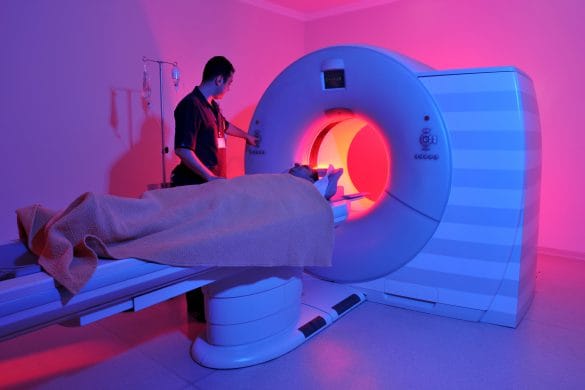
You’ll lie on a table that slides into a large, doughnut-shaped scanner. Stay still during imaging; you may be asked to hold your breath. The technologist can hear and speak to you throughout.
In some cases, a catheter may be placed in the bladder, causing temporary discomfort.
After the scan, you can usually resume normal activities. Drink plenty of water to help flush out the radioactive tracer. The radioactivity decays naturally over time and is excreted in urine or stool.