
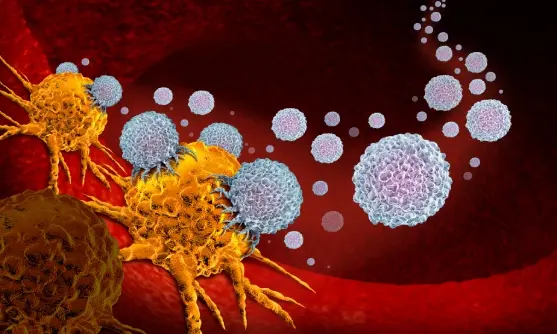
Doctor of Onco.com explains how immunotherapy activates the body’s immune system to fight and destroy cancer cells, and what types of cancer it works best for.
Our body has a complete system of protecting itself from harmful infections, and it also targets anything that is foreign to our body, including diseases like cancer. This system is called the immune system or immunity.
The immune system works through various mechanisms, but the most important weapon is a type of white blood cell called T lymphocytes. These cells recognize our body’s own cells through specific signals and avoid attacking them.
How the immune system naturally defends against cancer
When there is a bacterial or viral infection, the immune system gets activated to destroy the invaders. Similarly, during natural cell regeneration, abnormal cells may form. These abnormal cells are usually identified as foreign and are destroyed by T lymphocytes, preventing their growth into cancerous tumors.
However, some abnormal cells can evade detection by the immune system. These cells escape attack by T cells and continue growing, eventually forming tumors. One of the key traits of cancer cells is their ability to hide from the immune system.
How does immunotherapy work?
Immunotherapy is a treatment that activates T cells to recognize and kill cancer cells. It blocks the cancer cells’ ability to send negative signals that stop T cells from acting. Once exposed, the T cells identify and destroy them.
Which cancers respond to immunotherapy?
Although immunotherapy is a relatively new treatment, it has shown benefits in certain cancers such as kidney cancer, lung cancer, some blood cancers, melanoma (skin cancer), and large intestine cancer.
Research is ongoing to evaluate its effectiveness in stomach cancer, head and neck cancer, esophageal cancer, sarcomas, prostate cancer, and pancreatic cancer.
How do doctors predict if immunotherapy will work?
Immunotherapy does not work for all patients. Oncologists may conduct biomarker tests like PD1 or PDL1 on biopsy tissue to evaluate the likelihood of response to immunotherapy.
When is immunotherapy used?
Immunotherapy can be administered at the time of diagnosis, in combination with chemotherapy, or as a backup option if other treatments fail. Your oncologist can help decide the right time to consider this approach.
What are the risks and side effects?
About 3–5% of patients may experience serious side effects from immunotherapy. It’s important to evaluate potential risks and benefits in advance with your doctor before deciding on treatment.
Cost and duration of treatment
Since immunotherapy drugs are relatively new, treatment can be expensive. Understanding the total cost and expected treatment duration will help you plan financially.
In successful cases, immunotherapy may be recommended for at least two years or even lifelong to ensure sustained control of cancer and reduce the risk of recurrence.