
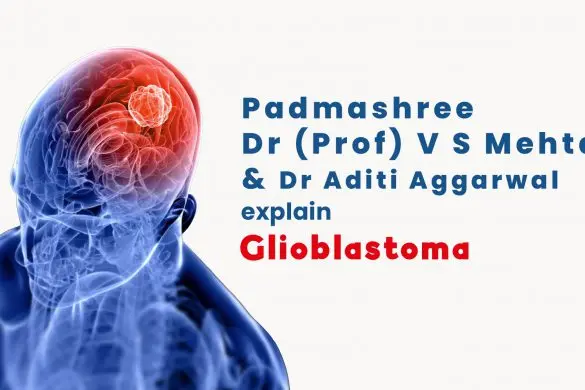
Glioblastoma is an aggressive brain tumour with limited treatment options. Learn about its symptoms, current therapies including surgery and radiation, and palliative care goals.
Radiation Oncologist at Paras Hospitals, Gurugram. In this article, she explains the nature of glioblastoma and how radiation therapy plays a crucial role in its management.
What is Glioblastoma?
Glioblastoma (GBM), also known as glioblastoma multiforme, is the most aggressive type of primary brain tumour in adults. It arises from star-shaped glial cells called astrocytes and grows rapidly, infiltrating surrounding brain tissue.
Unfortunately, there is currently no cure for glioblastoma. The goal of treatment is to prolong the time between disease progression or recurrence and to maintain the best possible quality of life.
Common Symptoms
- Headaches, often worse in the morning
- Seizures
- Nausea and vomiting
- Memory problems, confusion, personality changes
- Speech difficulties
- Weakness or numbness in limbs
- Vision problems
Diagnostic Process
Diagnosis begins with neurological examination and imaging:
- MRI Brain with Contrast: Primary tool for detecting and assessing tumour size and location.
- Biomarker Testing: IDH mutation, MGMT promoter methylation status, and 1p/19q codeletion help guide prognosis and treatment.
- Blood Tests: Not diagnostic but used to assess general health prior to treatment.
Standard Treatment Strategy
Treatment involves a multimodal approach:
Surgery
The first step is maximal safe resection — removing as much of the tumour as possible without damaging critical brain areas. Complete removal is rarely possible due to the invasive nature of GBM.
Radiation Therapy
Given post-surgery over 6 weeks, radiation targets residual cancer cells. Techniques like IMRT and VMAT allow precise delivery while sparing healthy tissue.
Treatment is usually combined with daily oral Temozolomide (chemotherapy).
Chemotherapy
Temozolomide is the main drug used, both during and after radiation. For recurrent disease, alternative regimens like PCV (Procarbazine, Lomustine, Vincristine) may be considered.
Tumor Treating Fields (TTFields)
An FDA-approved wearable device (Optune) that delivers low-intensity electric fields to disrupt cancer cell division. Used for newly diagnosed and recurrent GBM.
Side Effects and Management
Common side effects include fatigue, skin irritation, hair loss, cognitive changes, and increased risk of infection. Supportive care includes steroids (e.g., dexamethasone) to reduce swelling and anti-seizure medications.
Prognosis and Palliative Care
The median survival is approximately 12–18 months, though some patients live longer, especially those with MGMT-methylated tumours. Palliative care focuses on symptom control, emotional support, and improving quality of life throughout the journey.