
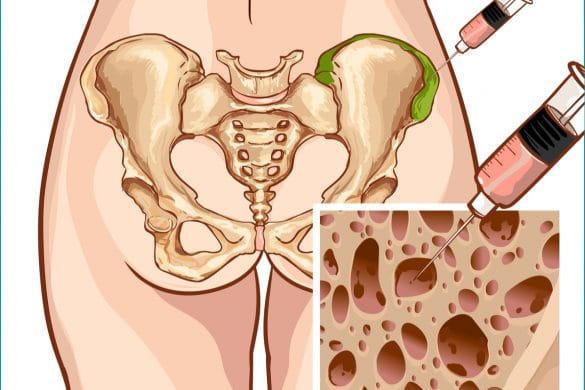
Bone marrow is the soft, spongy tissue inside bones that produces blood cells—red cells, white cells, and platelets. When these stem cells become cancerous (as in leukemia or lymphoma), a bone marrow transplant (BMT) or stem cell transplant may be needed to replace them with healthy cells from a donor. This life-saving procedure offers a potential cure for many blood disorders.
Why Is Bone Marrow Important?
Bone marrow contains hematopoietic stem cells that mature into:
- Red blood cells: Carry oxygen
- White blood cells: Fight infections
- Platelets: Aid clotting
Diseased marrow fails to produce these cells, leading to anemia, infections, and bleeding—making transplantation critical.
Indications for Bone Marrow Transplantation
BMT is used for:
- Blood cancers: Leukemia, lymphoma, Hodgkin’s disease, multiple myeloma, myelodysplasia
- Blood disorders: Aplastic anemia, sickle cell anemia, congenital neutropenia
- Other conditions: POEMS syndrome, neuroblastoma
Eligibility Criteria for Donors
Healthy individuals can donate if they meet:
- Age: 18–60 years
- Weight: BMI ≤ 40 kg/m²; weight ≥ 50 kg
- Health: No chronic diseases (diabetes, heart/lung conditions), autoimmune disorders, CNS issues, or infectious diseases (HIV, hepatitis, syphilis)
- Pregnancy: Can register, but donation postponed until after delivery
Types of Bone Marrow Transplantation
- Autologous: Patient’s own stem cells are collected and reinfused after high-dose chemo.
- Allogeneic: Stem cells from a donor (family member or unrelated matched individual).
- Umbilical cord transplant: Stem cells from newborns’ umbilical cords; still under research.
Why Are Donors Needed?
Allogeneic transplants require a genetically matched donor. Only about 30% of patients find a match in their family. The remaining 70% rely on unrelated donors, making global donor registries vital.
Types of Bone Marrow Donors
- Optimal donors: HLA-identical relatives, usually siblings.
- Partially matched (haplo-identical): 50% match—typically a parent or child.
- Alternative donors: Unrelated but HLA-matched individuals.
- Autologous donors: The patient themselves.
How Can You Be a Donor?
Register with a donor program like the National Marrow Donor Program (NMDP). A simple cheek swab or blood test determines your HLA type. If matched, further testing ensures you’re medically fit to donate.
Selecting the Best Donor for a Patient
The key is HLA compatibility:
Human Leukocyte Antigen (HLA) Test
HLA proteins on cells help the immune system recognize “self.” A close HLA match minimizes rejection and graft-versus-host disease (GVHD). Testing uses blood or cheek swab samples analyzed in a DNA lab.
High-Resolution DNA Typing
Determines how closely donor and recipient cells are recognized as “self.” Closer matches reduce complications.
Collection of Stem Cells
Bone Marrow Harvest
Performed under general anesthesia. Marrow is extracted from the pelvic bone using needles. The amount depends on the recipient’s weight. Recovery takes a few days.
Apheresis
Stem cells are collected from the bloodstream. Donors receive growth factors (filgrastim) for 4–5 days to increase stem cell count. Blood is drawn, centrifuged to extract stem cells, and returned to the donor. Process takes several hours.
Processing and Transplant
Collected cells are frozen until transplant. The recipient undergoes conditioning (high-dose chemo/radiation) to destroy cancer cells, followed by infusion of donor cells 2–3 days later.
There’s a 1 in 4 chance a sibling will be a match. For others, expanding donor registries is crucial. Donating is safe, with rare complications like infection or fatigue.