
Viruses are tiny organisms invisible under ordinary microscopes. Their genetic material (DNA or RNA) is surrounded by a protein coat. A virus enters a living cell, hijacks its machinery, and produces more viruses. Some insert their genetic material into the host cell's DNA, potentially triggering cancer formation — a process called carcinogenesis.
Viruses contribute to about 15% of all human cancers globally, representing a significant burden. A viral infection often takes years or decades to progress to cancer, and additional factors like genetics, immune status, and carcinogen exposure are usually required.
How Do Viruses Cause Cancer?
Cancer-causing viruses, or oncoviruses, establish long-term infections. They are classified as:
Direct Carcinogens
These carry viral oncogenes that directly transform cells or integrate into host DNA (e.g., retroviruses), disrupting tumor-suppressing genes.
Indirect Carcinogens
They cause chronic inflammation, oxidative stress, or suppress the immune system, weakening anti-tumor surveillance.
Some viruses use both mechanisms.
Which Viruses Cause Cancer?
Hepatitis B & C Viruses (HBV & HCV)
Cause chronic hepatitis, increasing liver cancer risk.
- HBV: Can integrate into human DNA; preventable by vaccine (part of India’s universal immunization program).
- HCV: More likely to become chronic; linked to non-Hodgkin lymphoma.
Transmitted via blood, unprotected sex, needles, and childbirth.
Kaposi Sarcoma-Associated Herpesvirus (KSHV / HHV-8)
Found in nearly all Kaposi sarcoma tumors — a rare cancer with purple skin lesions.
More common in immunocompromised individuals (e.g., HIV patients). Also linked to rare blood cancers and Castleman disease.
Spread via saliva, blood, and sexual contact.
Merkel Cell Polyomavirus (MCV)
Detected in ~80% of Merkel cell carcinomas — a rare, aggressive skin cancer.
Risk factors: Sun exposure, weakened immunity. Transmission routes not fully understood.
Human Papillomavirus (HPV)
Group of 150 viruses; high-risk types (HPV-16, HPV-18) cause cervical, anal, penile, vulvar, vaginal, and oropharyngeal cancers.
Transmitted through skin-to-skin contact, mainly during sex.
HPV vaccines prevent up to 90% of related cancers. Recommended before sexual activity begins.
Human T-Cell Lymphotropic Virus Type 1 (HTLV-1)
A retrovirus causing adult T-cell leukemia and other neurological disorders.
Spread via breastfeeding, blood transfusions, sexual contact, and childbirth.
Epstein-Barr Virus (EBV / HHV-4)
Best-studied oncovirus. Causes mono and linked to:
- Burkitt lymphoma
- Hodgkin’s lymphoma
- Nasopharyngeal carcinoma
- Stomach cancer
- Post-transplant lymphoproliferative disorder
Spreads through saliva (“kissing disease”), coughing, sneezing, shared utensils.
How Can Virus-Related Cancers Be Prevented?
1. Vaccination
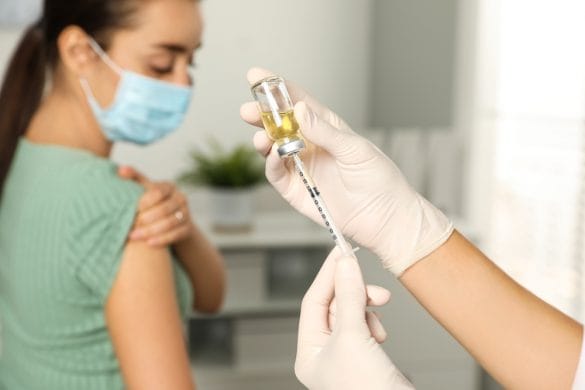
Available for HBV and HPV. While effective, HPV vaccination is not yet part of India’s universal immunization schedule due to cost and controversy, but recommended for young girls and boys.
Vaccines work best when given before exposure — ideally before sexual debut.
2. Screening
Long latency allows early detection:
- HPV/Pap smear for cervical cancer
- Liver ultrasound + AFP test for HBV/HCV-related liver cancer
3. Preventive Oncology
Includes genetic testing, counseling, and lifestyle changes.
Additional preventive measures:
- Practice safe sex (use condoms)
- Avoid sharing needles or personal items with blood residue
Cancer has multifactorial origins. Preventing viral infections is crucial, but managing other risk factors (like smoking, diet, immunity) is equally important for comprehensive cancer prevention.