
Globally, colorectal cancer is the third most common cancer in men and the second most common in women. In 2018, over 1.8 million new cases were diagnosed worldwide.
In India, the incidence is lower than in Western countries and colorectal cancer ranks as the seventh most common cancer. However, rising urbanization and lifestyle changes are increasing its prevalence.
What Is Colorectal Cancer?
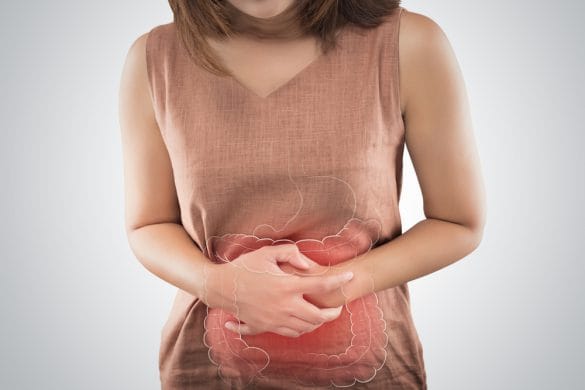
Colorectal cancer develops in the colon or rectum, parts of the large intestine. Most begin as noncancerous growths called polyps, which can become cancerous over time if not removed.
Screening Guidelines for Colorectal Cancer
Early detection through screening can prevent cancer by removing polyps or catch it at a treatable stage. The American Cancer Society recommends:
- Start regular screening at age 45 for average-risk adults.
- Continue screening through age 75, depending on health and life expectancy.
- For ages 76–85, decide with your doctor based on health and prior screening history.
Types of Screening Methods
Stool-Based Tests
- Fecal Immunochemical Test (FIT): Detects hidden blood in stool annually.
- Guaiac-based FOBT: Older test that detects blood; requires dietary restrictions.
- Stool DNA Test (e.g., Cologuard): Checks for DNA changes and blood; done every 3 years.
If any stool test is positive, a follow-up colonoscopy is required.
Direct Visualization Screening
- Colonoscopy: Examines the entire colon with a camera. Polyps can be removed during the procedure. Recommended every 10 years if normal.
- CT Colonography (Virtual Colonoscopy): Uses imaging to view the colon. Requires bowel prep; recommended every 5 years.
- Flexible Sigmoidoscopy: Examines the lower third of the colon. Done every 5 years, or every 10 years with annual FIT.
Choosing a Test
The best test is the one you will complete regularly. Factors include:
- Personal risk (family history, genetics)
- Access and cost
- Comfort with preparation and procedure
Discuss options with your doctor to choose the most suitable method.
Prevention of Colorectal Cancer
Diet
- Eat more fiber-rich foods: fruits, vegetables, whole grains.
- Limit red meat (beef, pork, lamb) and avoid processed meats (bacon, sausages, deli meats).
- Reduce intake of sugary drinks and refined carbohydrates.
Lifestyle
- Maintain a healthy weight.
- Exercise regularly — at least 150 minutes of moderate activity per week.
- Avoid tobacco and limit alcohol consumption.
Combining regular screening with healthy lifestyle choices significantly reduces your risk of developing colorectal cancer.