
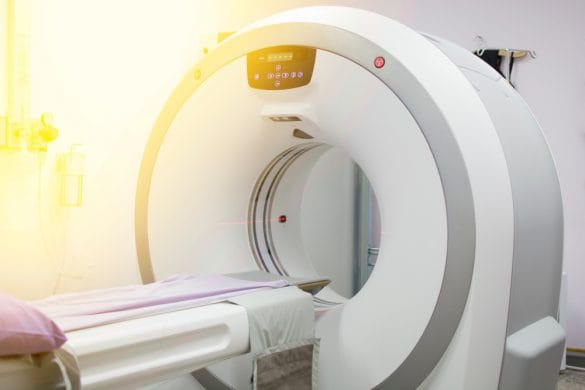
Cancer Screenings: Early Detection Saves Lives
The Power of Early Detection
Cancer screening is one of the most powerful tools we have in the fight against cancer. When cancer is detected early, before symptoms appear, treatment is often more effective and less invasive. Regular screenings can catch cancer at its most treatable stage, dramatically improving survival rates.
Common Cancer Screenings
Mammography for Breast Cancer
Women aged 40-50 should discuss with their doctor when to start mammograms. Most guidelines recommend annual or biennial mammograms starting at age 50, continuing until age 74.
Pap Smears for Cervical Cancer
Women should begin cervical cancer screening at age 21. Pap smears should be done every 3 years for women aged 21-29, and every 3-5 years for women aged 30-65 (depending on the test used).
Colonoscopy for Colorectal Cancer
Adults aged 45-75 should be screened for colorectal cancer. Colonoscopy is typically done every 10 years, while other tests like FIT tests may be done annually.
Low-Dose CT for Lung Cancer
Adults aged 50-80 with a 20 pack-year smoking history should consider annual lung cancer screening with low-dose CT scans.
Benefits of Regular Screening
Early detection when treatment is most effective
Better survival rates and outcomes
Less invasive treatment options
Lower healthcare costs over time
Peace of mind and reduced anxiety
Overcoming Barriers to Screening
Many people avoid cancer screenings due to fear, cost, or inconvenience. However, most insurance plans cover preventive screenings at no cost. Talk to your healthcare provider about your screening schedule and any concerns you may have.
The Future of Cancer Screening
Advances in technology are making cancer screening more accurate and less invasive. Liquid biopsies, AI-assisted imaging, and genetic testing are revolutionizing early.
Why Cancer Screening Matters
Cancer screening is one of the most powerful tools we have in the fight against cancer. When cancer is detected early, before symptoms appear, treatment is often more effective and survival rates are significantly higher.
Regular screening can detect cancer in its earliest stages, when it's most treatable. In many cases, screening can even detect precancerous changes, allowing for intervention before cancer develops.
Breast Cancer Screening
Breast cancer is the second most common cancer in women. Regular screening can detect breast cancer early, when it's most treatable.
Screening methods:
Mammography: X-ray examination of the breast
Breast MRI: For high-risk individuals
Recommended schedule:
Ages 40-44: Annual mammograms (optional, discuss with doctor)
Ages 45-54: Annual mammograms
Ages 55+: Mammograms every 1-2 years
High-risk individuals: Earlier and more frequent screening
Cervical Cancer Screening
Cervical cancer screening has dramatically reduced cervical cancer deaths. Regular screening can detect precancerous changes before they become cancer.
Screening methods:
Pap test (Pap smear): Collects cells from the cervix
HPV test: Tests for high-risk HPV types
Co-testing: Pap test and HPV test together
Recommended schedule:
Ages 21-29: Pap test every 3 years
Ages 30-65: Pap test every 3 years OR HPV test every 5 years OR co-testing every 5 years
Ages 65+: May stop screening if recent tests were normal
Colorectal Cancer Screening
Colorectal cancer is the third most common cancer. Screening can detect polyps before they become cancerous and find cancer early when treatment is most effective.
Screening methods:
Colonoscopy: Visual examination of the entire colon
Flexible sigmoidoscopy: Examination of lower colon
CT colonography: Virtual colonoscopy using CT scan
Stool-based tests: FIT, gFOBT, or multitarget stool DNA test
Recommended schedule:
Ages 45-75: Regular screening (method depends on preference and risk)
Colonoscopy: Every 10 years
Flexible sigmoidoscopy: Every 5 years
Stool tests: Annually
Lung Cancer Screening
Lung cancer screening is recommended for high-risk individuals, particularly those with a history of heavy smoking.
Screening method:
Low-dose CT scan: Detailed images of the lungs
Who should be screened:
Ages 50-80 years
30+ pack-year smoking history
Currently smoke or quit within the past 15 years
Good overall health
Prostate Cancer Screening
Prostate cancer screening is a personal decision that should be made after discussing benefits and risks with your healthcare provider.
Screening methods:
PSA test: Blood test measuring prostate-specific antigen
Digital rectal exam (DRE): Physical examination
Screening considerations:
Ages 50-70: Discuss screening with healthcare provider
High-risk men: Consider screening at age 45
Very high-risk men: Consider screening at age 40
Skin Cancer Screening
Skin cancer is the most common type of cancer. Regular screening can detect skin cancer early when it's most treatable.
Screening methods:
Visual skin examination: By healthcare provider
Dermoscopy: Detailed examination with special instrument
Self-examination: Monthly skin checks
ABCDE rule for mole changes:
Asymmetry
Border irregularity
Color variation
Diameter larger than 6mm
Evolving or changing
Age-Based Screening Schedule
Here's a comprehensive schedule of recommended cancer screenings by age:
Ages 20-39:
Cervical cancer screening (starting at 21)
Monthly breast self-examinations
Annual skin self-examinations
Clinical breast exam every 3 years
Ages 40-49:
Continue cervical cancer screening
Consider annual mammograms
Begin colorectal cancer screening at 45
Annual skin examinations if high-risk
Ages 50-64:
Annual mammograms
Continue cervical cancer screening
Regular colorectal cancer screening
Lung cancer screening if high-risk
Discuss prostate cancer screening (men)
Preparing for Your Screening
Proper preparation can ensure accurate results and a smooth screening experience.
General preparation tips:
Schedule screenings when you're healthy
Bring your insurance information
List current medications and supplements
Prepare questions for your healthcare provider
Bring previous screening results for comparison
Taking Action for Your Health
Cancer screening is one of the most important steps you can take to protect your health. By following recommended screening guidelines, you can catch cancer early when it's most treatable.
Key takeaways:
Follow age-appropriate screening guidelines
Discuss your personal risk factors with your healthcare provider
Don't skip screenings due to fear or inconvenience
Keep track of your screening schedule
Report any concerning symptoms between screenings
Remember, screening guidelines may vary based on your personal and family history. Work with your healthcare provider to develop a screening plan that's right for you.
Early detection saves lives. Make cancer screening a priority in your healthcare routine.