
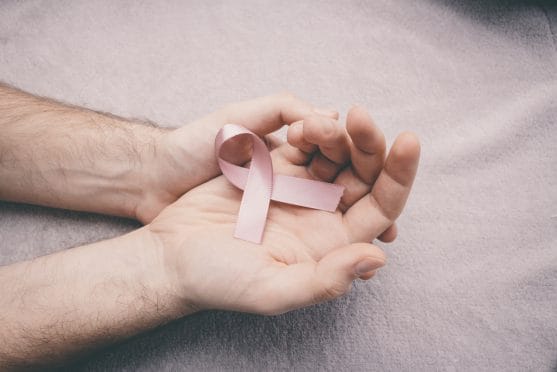
Breast cancer can affect men too –
Breast Cancer Awareness Month — a reminder of the importance of early detection. However, the conversation often centers only on women. It’s time to change that narrative — because men can get breast cancer too.
In India, one in every 28 women is diagnosed with breast cancer in their lifetime. But, very little is said or done to raise awareness about breast cancer in men. Yes, men can develop breast cancer too and it is not a disease of the women only. Early this month, Mathew Knowles, father of well known American singer Beyonce, announced that he was diagnosed with breast cancer.
While breast cancer in men is rare, it is real and rising. Globally, men account for about 1% of all breast cancer cases, according to 2024 WHO and JAMA Oncology data. In India, male breast cancer represents approximately 0.5–1% of total breast cancers, with the average age of diagnosis between 55 and 65 years.
According to a JAMA report, even though men make up a small fraction of breast cancer cases, their mortality rate remains 15–20% higher than women. This is not because the cancer is more aggressive — but because it is often detected late. Men may not notice a small lump under the nipple, or they may dismiss symptoms thinking “it can’t be breast cancer.” This leads to diagnosis at Stage III or IV, when treatment options are more limited.
There is a clear imbalance in the way we look at men and breast cancer. The reason is that though they do not develop milk-producing breasts, they do have small amounts of breast tissue that can become cancerous.
The high mortality rate in men with breast cancer is attributed to poor awareness about the condition in men. This leads to men taking it too lightly and getting diagnosed for the condition often in its later stages.
The incidence and prevalence of male breast cancer have increased over the last few years. There are many risk factors that have been put forth for the development of breast cancer in men such as:
Age – The risk of developing male breast cancer increases with age, with most cases reported in men over the age of 60
Exposure to estrogen – Men who are taking hormone therapy medications for prostate cancer tend to have high estrogen levels, which increases the risk of breast cancer
Family history – Men with a family history of breast cancer are more likely to develop the condition themselves, especially if a male in the family has suffered from it too
Conditions that increase estrogen in the body – There are many conditions that result in high estrogen levels in the body such as liver disorders, some genetic conditions like Klinefelter’s syndrome, obesity, etc
The symptoms of breast cancer in men are very similar to those in women.
In the initial stages, one may notice a painless, harmless lump under the nipple usually in one breast. Other common symptoms include ulceration, discharge from the nipple, puckering or dimpling of the breast, redness or inflammation in the nipple or breast tissue on the affected side.
If diagnosed in the later stages, additional symptoms include pain and swelling in the lymph glands in the armpit, pain in the breasts and severe bone pain, indicating that cancer has spread to surrounding tissues.
While the survival rates of male breast cancer are far less than women with the same condition, the prognosis remains fairly equal in both sexes.
Creating awareness about male breast cancer is essential to improve the survival rates of men. It is time to add the ‘blue to the pink’ and create awareness about breast cancer in both women and Men.