
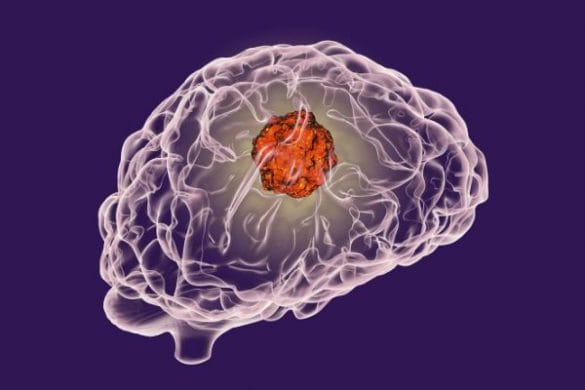
5 Warning Signs of Brain Tumours and Their Treatment
A brain tumour is a mass of abnormal cells that grow in the brain. These cells grow rapidly and invade healthy brain tissue. Brain tumours non-cancerous (benign) or cancerous (malignant). They may originate in the brain (primary) or spread from other parts of the body (secondary or metastatic).
While the exact cause is unknown, researchers believe primary brain tumours arise from mutations in normal brain cells that cause uncontrolled growth. Tumours can develop in any part of the brain or spinal cord, affecting vital functions.
Warning Signs of a Brain Tumour
Most brain tumours are asymptomatic initially. Symptoms appear when the tumour grows and exerts pressure on brain tissue. Because symptoms are often non-specific, they are frequently recognized only in hindsight.
Here are five key warning signs that should prompt medical evaluation:
Seizures
Seizures are sudden, involuntary muscle movements caused by abnormal electrical activity in the brain. A tumour can disrupt normal brain activity and trigger seizures.
Seizures may indicate:
- A slow-growing, low-grade tumour
- A tumour in the cerebrum (frontal part of the brain) or meninges
Headaches
Headaches linked to brain tumours are often:
- Worse in the morning
- Aggravated by coughing, bending, or straining
- Accompanied by nausea or vomiting
Uncoordinated Limb Movements or Altered Body Balance
Trouble with mobility, coordination, or balance
Behavioral Changes
Tumours in the frontal or temporal lobes can disrupt personality and behavior. Common changes include:
- Confusion
- Difficulty concentrating
- Short-term memory loss
- Problems with thinking, speaking, or articulation
- Mood swings
Vision Changes
“One in three patients with a brain tumour report vision problems.”
Tumours in the temporal lobe, occipital lobe, or brain stem can compress the optic nerve, causing:
- Blurred or double vision
- Partial or complete vision loss
- Sensitivity to light
- Rapid eye movements
- Dry eyes
Other possible symptoms: Unexplained nausea/vomiting, hearing problems, stiffness or tingling on one side, anxiety, or depression.
These signs don’t always mean a brain tumour—conditions like vitamin deficiencies, dehydration, or mental health issues can cause similar symptoms. However, ignoring them can delay diagnosis. Early detection improves outcomes significantly.
Diagnosis of Brain Tumour
If a brain tumour is suspected, a doctor will conduct a neurological exam to assess vision, hearing, balance, and coordination.
Further tests may include:
CT or MRI scan:
- Biopsy: Removal and examination of a small tissue sample, either during surgery or as a standalone procedure.
Grades of Brain Tumour
Tumours are graded based on how abnormal the cells appear and how quickly they grow:
- Grade I: Non-cancerous, slow-growing, non-infiltrative. Often curable with surgery.
- Grade II: Low-grade, slow-growing, somewhat infiltrative. May recur as high-grade.
- Grade III: Malignant, actively dividing, infiltrative. Likely to recur, often as a higher grade
- Grade IV: Highly malignant, rapid growth, widely infiltrative. Spreads quickly within the brain.
Treatment of Brain Tumour
Treatment depends on tumour size, grade, and type Options include:
Surgery
Often the first step, especially for low-grade tumours. The goal is to remove as much of the tumour as possible without damaging healthy tissue. Surgery can relieve symptoms, provide tissue for diagnosis, and guide further treatment.
Radiation Therapy
Uses high-energy beams (X-rays, gamma rays) to destroy tumour cells. Can be external (from outside the body) or internal (brachytherapy). Side effects may include fatigue, headaches, memory issues, and scalp irritation.
Chemotherapy
Uses drugs to stop tumour cells from growing and dividing. ften given after surgery and/or radiation, especially for recurrent tumours. Side effects include nausea, vomiting, and hair loss.
Immunotherapy
Boosts the body’s immune system to cancer. brain metastases from cancers like lung or skin cancer.
Targeted Therapy
arget specific genes, proteins, equires testing the tumour to identify targetsdamage to healthy cells.
While brain tumours cannot be prevented, early diagnosis and proper treatment improve outcomes .